Most people are surprised to learn that 71% of the Earth's surface is covered by water. That simple fact explains why, in aviation's early years, some of the world's largest aircraft were flying boats. They required no expensive runways or airport infrastructure and often provided the most direct routes between distant destinations.
Today, however, there is a significant gap in the market, with no Western-certified, large transport-category amphibious aircraft currently in production to meet the growing demand for heavy-duty amphibious operations.
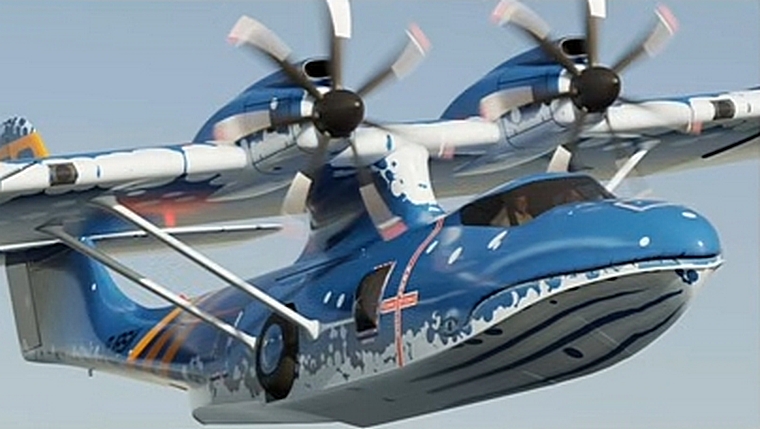
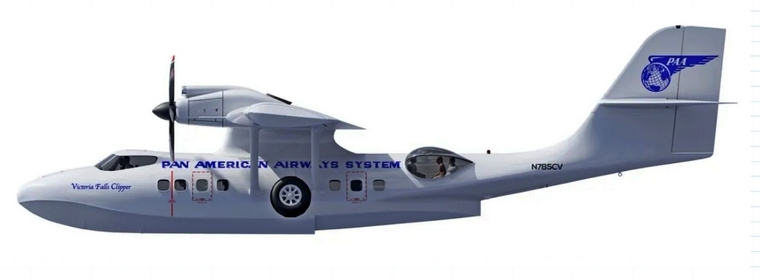
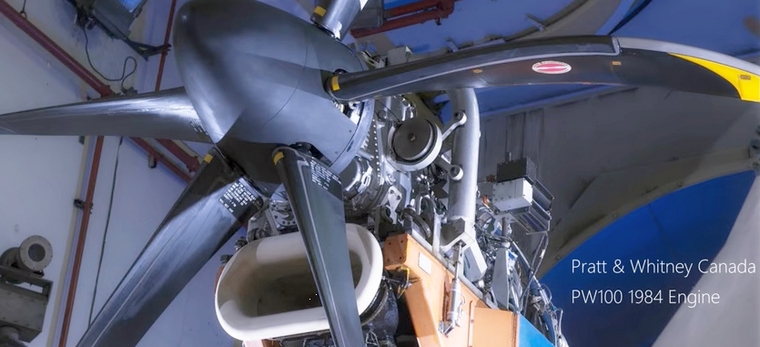
Catalina Aircraft aims to fill that gap by reviving one of aviation's most iconic flying boats. Its NGAA Catalina II is a modern, twin-turboprop, transport-category amphibious aircraft designed for private, commercial, government and military operators while retaining the unmistakable character of the legendary Catalina.
The aircraft has been designed to serve two primary markets: commercial operators and government or military customers. According to Catalina Aircraft, the NGAA Catalina II will offer the highest payload, longest range and endurance, greatest speed and the broadest operational capability of any Western-certified amphibious aircraft in its class.
Few aircraft can match the Catalina's remarkable wartime record. From locating the German battleship Bismarck in 1941 to what is widely regarded as its final wartime mission delivering the Instrument of Surrender to USS Missouri in Tokyo Bay the Catalina earned a reputation as one of history's most versatile military aircraft.
No one can argue the legendary capabilities or achievements of the Catalina amphibious flying boat. From the sighting of the Bismarck in the Eastern Atlantic before the United States officially entered the War, to the perceived last mission of the War, delivering the "Instrument of Surrender" to the Missouri anchored in Toyko Bay, the mighty Catalina has served and defended many nations during their time of need.
After the War, Air France commissioned Consolidated-Vultee to convert some surplus military Catalinas into Transport Category, Standard Airworthiness, 28-5ACF commercial airliners. The 28-5ACF Catalina continued to serve, delivering passengers and cargo to locations typically out of reach of the land based commercial transports which required traditional airport infrastructure, fighting wildfires, performing humanitarian missions.
The Catalina has an incredible history, proudly serving 41 nations during their time of need and has competently operated in 83 airlines worldwide. In South Africa they served in the military as well as in civilian operations, mostly in the aerial surveying and geophysical role.
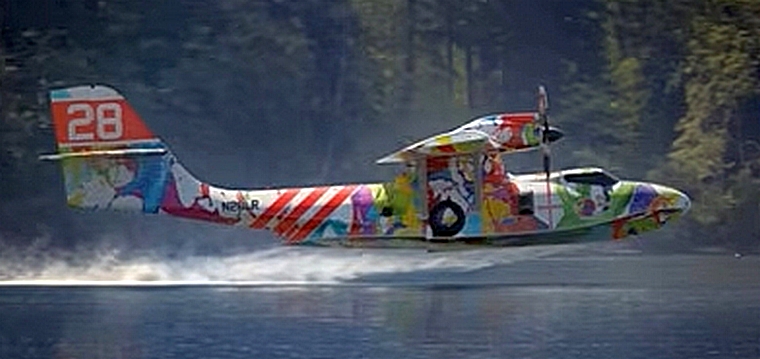
According to Catalina Aircraft, a large transport-category amphibious aircraft offers capabilities that smaller float-equipped aircraft simply cannot match. Potential roles include: aerial fire fighting, maritime patrol, passenger airline transport, air cargo transport, offshore oil rig support, air ambulance, environmental disaster response and humanitarian aid support and combat search & rescue, The company even sees a niche for it as a high net worth air yacht for corporate and personal transport.
Despite these impressive ambitions, one question inevitably arises. With unmanned aerial systems advancing at an extraordinary pace, will there still be sufficient demand for a large, crewed amphibious aircraft? Only time will provide the answer.
Personally, I sincerely hope the answer is yes. I have always admired the Catalina, and I was privileged to photograph South Africa's last example over the Vaal Dam (see bonus video below) before it departed for the United States. Watching such an iconic aircraft disappear from our skies was bittersweet. The prospect of seeing a new generation of Catalina's taking to the air once again is something every flying boat enthusiast will look forward to.